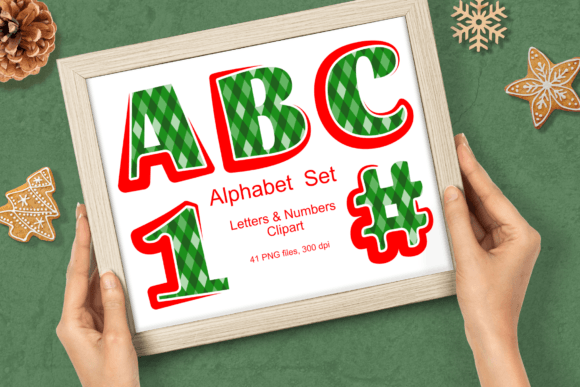
Review: Christmas Red Green Argyle Alphabet Set
As a designer who spends more time staring at stitch maps than most people stare at their phones, I approach every new machine embroidery design with a mix of excitement and skepticism. When I first loaded the Christmas Red Green Argyle Alphabet Set onto my screen, my immediate reaction was one of nostalgic warmth. There is something undeniably classic about the argyle pattern; it evokes images of vintage holiday sweaters, cozy firesides, and traditional craftsmanship. However, in the world of commercial embroidery and handmade goods, aesthetics are only half the battle. The real question is always: how does this actually stitch out on a finished product?
This review breaks down the practical application of this Illustrations-style alphabet set, moving beyond the pretty preview image to discuss thread choices, fabric compatibility, and where this design truly shines for small business owners and crafters.
The Visual Personality and First Impressions
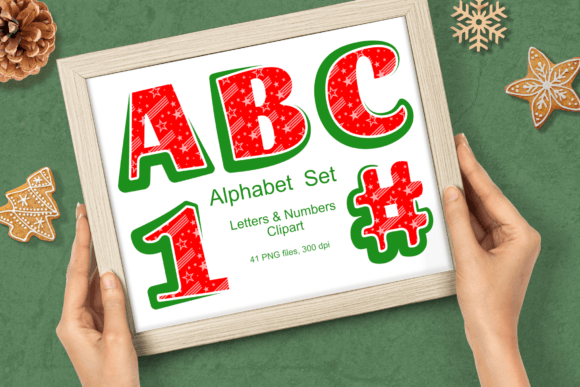
The defining characteristic of the Christmas Red Green Argyle Alphabet Set is its ability to convey a specific holiday mood without relying on overused motifs like snowmen or candy canes. The argyle motif within the letterforms creates a textured look that mimics knitted fabric, giving the letters a substantial, tactile presence even before the needle hits the cloth.
From a layout perspective, the letters feel balanced. They aren't overly condensed, which is crucial for readability, nor are they so wide that they consume excessive hoop space. The interplay between the red and green tones suggests a traditional palette, but as a designer, I immediately started thinking about customization. While the default preview screams "Christmas," the structural integrity of the argyle pattern means this could easily be adapted for school spirit projects, preppy boutique branding, or even masculine gift items if the colorway is shifted to navy and gray. For now, though, we are focusing on its primary intent: festive, high-end holiday decor and apparel.
Real-World Application: The Holiday Tote Scenario
To truly test the viability of this embroidery file, I visualized a specific project: a custom embroidered canvas tote bag for a local boutique's holiday gift-with-purchase promotion. This is a common scenario for Etsy sellers and craft business owners who need to produce items that look expensive but can be made efficiently.
On a sturdy cotton canvas tote, the Christmas Red Green Argyle Alphabet Set performs exceptionally well. The density of the argyle pattern provides enough coverage to hide the weave of the canvas, preventing the background fabric from peeking through and ruining the color saturation. I imagined monogramming these totes with customer initials. Because the letters have internal detail from the diamond patterns, they stand out beautifully against a neutral cream or natural-colored bag.
For a personalized gift, this level of detail elevates the perceived value. A simple satin stitch initial can sometimes look cheap if not executed perfectly, but the complexity of the argyle fill distracts the eye from minor tension issues and adds a layer of sophistication. It transforms a standard $10 tote into a $35 boutique item. The design works equally well for sweatshirt embroidery, where the texture of the fleece complements the knitted look of the argyle pattern.
Technical Considerations and Fabric Challenges
While the design is stunning, it is not without its technical demands. The intricate nature of the argyle pattern means there are many color stops and potential jump stitches if the file isn't optimized. When working with this digital embroidery file, attention to stitch density is paramount.
If you are planning to use this on stretchy fabrics like jersey knits or thin baby onesies, caution is advised. The dense fill required to create the argyle look can cause puckering if the proper stabilizer isn't used. For a baby embroidery project, I would recommend using a cut-away stabilizer rather than tear-away to ensure the design remains stable after repeated washings. The weight of the stitching might be too heavy for very delicate silks or rayons, so sticking to medium-to-heavy weight fabrics like denim, twill, canvas, or fleece is the safer bet for a professional finished product.
Another consideration is the hoop size. Depending on the specific font size you choose from the set, you need to ensure your machine's hoop can accommodate the width of the name or monogram. If you are doing a full name across the chest of a hoodie, measure twice before hooping. Additionally, curved surfaces like caps present a challenge. The flat geometry of the argyle diamonds might distort slightly on the front panel of a structured cap. In such cases, smaller initials rather than full words would yield a cleaner result.
Color Theory and Thread Selection
The magic of the Christmas Red Green Argyle Alphabet Set lies in its color contrast. In a real production environment, you rarely use the exact colors shown in the digital mockup. Thread brands vary, and lighting changes perception.
I strongly advise running a test stitch-out on scrap fabric of the same material you intend to use for the final item. Pay close attention to the transition between the red and green sections. If the threads are too similar in value (lightness or darkness), the argyle pattern will lose its definition and look like a muddy blob from a distance. High-contrast thread choices are essential here. Consider using a variegated thread for one of the colors to add extra depth, or stick to high-sheen rayon threads to make the diamonds pop against matte fabrics. For those selling printable mockups or digital previews, ensure your photos accurately reflect the thread sheen, as customers often judge quality based on how the light hits the stitches.
Commercial Viability and Brand Consistency
For commercial embroidery professionals and small shop product creators, consistency is key. This alphabet set offers a cohesive look that can help build brand recognition. Imagine a series of kitchen towels, aprons, and pillow covers all featuring names stitched in this specific argyle style. It creates a curated collection feel that appeals to buyers looking for coordinated home decor.
However, before listing items on Etsy or at a craft fair, you must verify the licensing terms associated with this design asset. Some designers allow unlimited physical sales but restrict digital redistribution, while others have caps on the number of items you can sell. Never assume; always check the documentation provided with the file. Using a design commercially without the correct license can lead to serious legal issues and damage your reputation as a trustworthy seller.
Final Verdict for Designers
The Christmas Red Green Argyle Alphabet Set is a robust tool for the holiday season. It bridges the gap between playful festivity and refined design. It is particularly well-suited for:
- Custom Apparel: Sweatshirts, flannel shirts, and beanies where texture is an asset.
- Home Decor: Pillow covers, table runners, and stockings that benefit from traditional patterns.
- Accessories: Tote bags and structured caps where the flat surface allows the pattern to remain crisp.
- Gifts: Personalized items for family members where the effort put into the detailed stitching is appreciated.
It is less ideal for high-speed production runs on difficult fabrics or for projects requiring extremely small lettering where the internal details of the argyle might merge. As with any applique design or complex fill work, the golden rule applies: test first. Check your tension, verify your stabilizer, and respect the limitations of your machine.
In conclusion, if you are looking to add a touch of classic charm to your holiday offerings, this set is a worthy addition to your library. It invites the viewer to look closer, appreciating the nuance of the pattern, which is exactly what you want when selling handmade, high-quality goods. Just remember, the success of the embroidery project depends as much on your execution and material choices as it does on the quality of the design file itself.